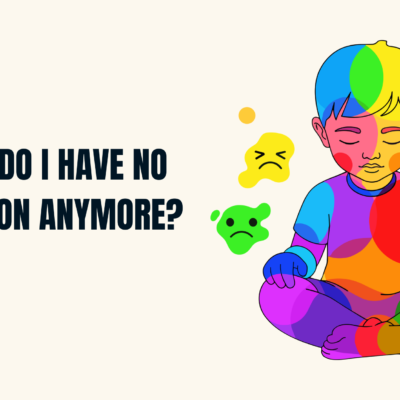
How to Retrain the Subconscious Mind: Much of what we do each day is not guided by conscious choice, but by habits, beliefs, and emotional patterns stored deep in the subconscious mind. You may consciously want to change — to be more confident, productive, calm, or successful — yet find yourself repeating the same behaviors, making the same mistakes, and reacting in the same ways.
This can feel frustrating and confusing, leading many people to ask, “How do I retrain my subconscious mind?”
Also Read:
The good news is that the subconscious mind is not fixed. It learns through repetition, emotional experience, and belief reinforcement. With patience and consistent practice, you can slowly change the internal programming that influences your thoughts, emotions, and actions.
Retraining the subconscious mind is not about forcing positive thinking. It is about gently replacing old mental patterns with healthier and more supportive ones.
Understanding the Subconscious Mind
The subconscious mind is responsible for automatic behaviors, emotional reactions, habits, and deeply held beliefs about yourself and the world.
It controls things like:
- Self-confidence
- Fear responses
- Emotional triggers
- Daily habits
- Relationship patterns
Unlike the conscious mind, which analyzes and makes logical decisions, the subconscious works silently in the background, shaping how you react and what you expect from life.
If your subconscious believes you are not good enough, you may avoid opportunities even when consciously you want success. If it believes relationships are unsafe, you may struggle with closeness even if you crave connection.
Real change happens when subconscious beliefs begin to change.
Why the Subconscious Resists Change
The subconscious mind is designed to protect you, not necessarily to make you happy.
It prefers familiarity over improvement.
Even unhealthy patterns can feel “safe” to the subconscious because they are predictable. When you try to change, your subconscious may resist because new behaviors feel uncertain.
This is why willpower alone often fails. You may consciously want change, but your subconscious pulls you back into old habits.
Retraining the subconscious requires patience, repetition, and emotional consistency.
Step One: Become Aware of Your Inner Programming
You cannot change patterns you are not aware of.
Start by observing:
- Repeating thoughts
- Emotional reactions
- Negative self-talk
- Relationship patterns
- Fear-based decisions
Ask yourself:
- What do I repeatedly believe about myself?
- What situations always trigger the same reactions?
- What do I expect to go wrong?
These patterns reveal the beliefs stored in your subconscious.
Awareness brings unconscious programming into conscious understanding — the first step toward change.
Step Two: Identify Limiting Beliefs
Limiting beliefs are subconscious assumptions that hold you back.
Common examples include:
- “I am not good enough.”
- “I always fail.”
- “People cannot be trusted.”
- “I don’t deserve happiness.”
These beliefs may come from childhood experiences, past failures, criticism, or emotional wounds.
Once you identify these beliefs, question them.
Ask:
- Is this belief always true?
- Where did this belief come from?
- Does this belief help or harm me?
Challenging old beliefs weakens their hold over your subconscious.
Step Three: Repetition Is the Language of the Subconscious
The subconscious mind learns through repetition.
This is why habits form, and also why they can be changed.
If you repeat negative thoughts daily, your subconscious accepts them as truth. If you repeat positive and supportive thoughts consistently, your subconscious slowly begins to accept new beliefs.
This is where affirmations can help — but only if they are realistic and emotionally believable.
Instead of forcing statements that feel false, start with gentle shifts:
- “I am learning to trust myself.”
- “I am becoming more confident.”
- “I deserve peace and growth.”
Repetition over time reshapes subconscious thinking.
Step Four: Use Visualization to Create Emotional Imprints
The subconscious mind responds strongly to emotion and imagery.
When you imagine experiences with strong feeling, your subconscious treats them as real.
Visualization can help retrain subconscious expectations by creating positive emotional experiences in the mind.
Practice imagining:
- Yourself handling challenges calmly
- Achieving personal goals
- Feeling confident and relaxed in situations that normally cause fear
The key is to feel the emotion, not just see the image.
Emotional repetition builds new internal associations.
Step Five: Change Your Emotional Responses, Not Just Thoughts
Subconscious beliefs are deeply tied to emotions.
You can say positive words all day, but if emotionally you still feel fear, shame, or helplessness, the subconscious may not accept new messages.
So instead of only changing thoughts, work on changing emotional reactions.
When something triggers you:
- Pause
- Breathe
- Remind yourself you are safe
- Choose a calmer response
Each time you respond differently to a familiar trigger, you send a new message to your subconscious:
“This situation is not dangerous anymore.”
Over time, emotional reactions begin to soften.
Step Six: Create New Habits That Support New Beliefs
Habits are physical proof of subconscious programming.
If your habits match your old beliefs, change will feel difficult.
But when you start acting in ways that reflect new beliefs, your subconscious begins to adjust.
For example:
- Practicing small acts of confidence
- Setting boundaries
- Taking care of your health
- Speaking kindly to yourself
Action reinforces belief.
Your subconscious learns not just from words, but from repeated behavior.
Step Seven: Reduce Exposure to Negative Influences
The subconscious absorbs information from the environment constantly.
If you are regularly exposed to:
- Negative conversations
- Discouraging media
- Critical people
Your subconscious receives repeated messages that reinforce fear and self-doubt.
Protecting your mental environment is part of subconscious retraining.
Choose content and relationships that support growth, healing, and positivity.
What you repeatedly see and hear becomes what you repeatedly believe.
Step Eight: Practice Mindfulness and Presence
Mindfulness helps retrain the subconscious by increasing awareness of automatic reactions.
When you become aware of your thoughts and emotions without immediately reacting, you interrupt subconscious patterns.
Simple mindfulness practices include:
- Paying attention to breathing
- Observing thoughts without judgment
- Being present in daily activities
This awareness creates space for conscious choice instead of automatic behavior.
Step Nine: Be Patient with the Process
Subconscious change does not happen overnight.
These patterns may have been developing for years, sometimes since childhood.
Expect gradual improvement, not instant transformation.
Progress may look like:
- Less intense reactions
- Faster emotional recovery
- More self-awareness
- Better choices over time
Consistency matters more than speed.
Step Ten: Healing Emotional Wounds Is Part of Retraining
Sometimes subconscious beliefs are rooted in unresolved emotional pain.
If deep fears, shame, or trauma are involved, subconscious change may require emotional healing, not just mindset techniques.
Therapy, counseling, or emotional healing practices can help process:
- Childhood experiences
- Relationship wounds
- Long-standing insecurities
Healing the emotional root allows subconscious beliefs to change more naturally.
Why Faith, Gratitude, and Hope Matter
For many people, spiritual practices help retrain the subconscious by reinforcing feelings of safety, trust, and purpose.
Practices like:
- Prayer
- Gratitude journaling
- Trusting in higher guidance
Create emotional states that encourage peace and confidence.
The subconscious responds strongly to feelings of trust and hope.
Final Thoughts: You Are Not Broken, You Are Programmable
Your subconscious patterns do not define your destiny.
They were learned — and what is learned can be changed.
Retraining the subconscious mind is not about becoming perfect or never struggling again. It is about slowly replacing fear-based patterns with supportive ones.
Every time you choose awareness over autopilot,
Kindness over self-criticism,
Patience over pressure,
You are rewriting the messages your subconscious receives.
Change may be slow, but it is happening.
And one day, you will realize that your thoughts, reactions, and choices no longer come from fear — but from confidence, clarity, and self-trust.
That is the power of retraining the subconscious mind.


How to Communicate Better in Your Marriage?
How to Stop Being Emotionally Reactive?