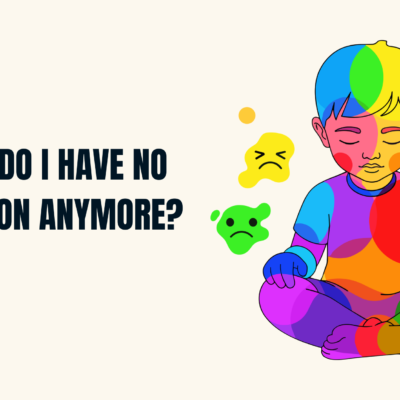
Why Do I Feel Overwhelming Sadness: There are days when sadness feels heavier than usual. It’s not just a bad mood or a passing feeling — it feels deep, intense, and hard to escape. You may not even know exactly why you feel this way, yet the weight in your heart and mind feels real and exhausting. When sadness becomes overwhelming, it can make everyday life feel difficult, slow, and emotionally painful.
If you’ve been asking yourself, “Why do I feel overwhelming sadness?” please know this: you are not weak, dramatic, or broken. Deep sadness is often a signal that something inside you needs attention, care, and understanding.
Sadness does not come from nowhere. It usually has roots, even if they are not immediately obvious.
Also Read:
- How to Help Someone with Postpartum Depression and Anxiety?
- Why Am I So Angry and Crying all the Time?
Sadness Is a Natural Human Emotion, Not a Personal Failure
Sadness is part of being human. It is the emotional response to loss, disappointment, loneliness, and emotional pain. It tells us that something matters to us, that something inside us is hurting.
But when sadness becomes overwhelming, it can feel frightening. You may worry that you will never feel better or that something is wrong with you.
The truth is, overwhelming sadness is often the result of emotional buildup — feelings that have been accumulating for a long time without enough space to be expressed, processed, or healed.
Your heart may simply be tired of carrying too much alone.
Unprocessed Emotional Pain Can Build Up Over Time
One of the most common causes of deep sadness is unprocessed emotional pain.
This can come from:
- Relationship heartbreak
- Loss of a loved one
- Feeling rejected or abandoned
- Long-term disappointment
- Feeling misunderstood or unseen
When emotional pain is not fully processed, it doesn’t disappear. It stays quietly in the background, affecting your mood and emotional health.
Sometimes overwhelming sadness appears suddenly, but it is often the result of emotions that have been slowly building for months or even years.
Your tears may not be about just one moment — they may be about many moments that were never fully healed.
Loneliness Can Create Deep Emotional Pain
You can be surrounded by people and still feel lonely.
Emotional loneliness happens when you feel:
- Unseen
- Unheard
- Ununderstood
- Emotionally unsupported
When you don’t feel safe expressing your true feelings, sadness can grow quietly inside you.
Humans are emotional beings who need connection. Without emotional closeness, the heart starts to feel heavy, even if life looks normal on the outside.
Loneliness is not about the number of people in your life — it is about the quality of emotional connection.
Burnout Can Turn Into Emotional Sadness
Sadness is not always caused by emotional loss. It can also come from exhaustion.
When you are constantly stressed, pressured, or overwhelmed, your emotional system becomes tired.
Burnout can create:
- Emotional heaviness
- Loss of motivation
- Feeling hopeless or drained
- Emotional sensitivity
When you are emotionally and physically exhausted, your ability to cope with daily stress decreases, making sadness feel stronger and harder to manage.
Sometimes your sadness is not telling you that something is emotionally wrong — it is telling you that you are tired and need rest, not more pressure.
Trauma Can Trigger Waves of Sadness
If you have experienced trauma, overwhelming sadness can appear unexpectedly.
Trauma can leave emotional wounds that resurface when something reminds your mind of past pain, even if you are not consciously thinking about it.
This can lead to:
- Sudden emotional heaviness
- Crying without clear reason
- Feeling emotionally vulnerable
Your body and mind may be remembering pain that your conscious mind is not actively recalling.
Trauma-related sadness is not weakness — it is the nervous system responding to emotional memory.
Depression Often Shows Up as Heavy, Constant Sadness
Sometimes overwhelming sadness is not linked to a specific situation but feels constant and persistent.
This may be a sign of depression, which can include:
- Ongoing sadness
- Loss of interest in life
- Low energy
- Feelings of emptiness or hopelessness
Depression does not always have a clear external cause. It can affect anyone, even people who appear strong and successful.
If sadness lasts for weeks or months and affects your daily functioning, it is important to take it seriously and seek support.
Depression is not a personal weakness — it is a medical and emotional condition that deserves care.
Feeling Stuck in Life Can Create Emotional Pain
Sadness can also come from feeling trapped or unfulfilled.
You may feel sad if you feel:
- Stuck in routine
- Unhappy with life direction
- Disconnected from your dreams
- Unable to change your situation
When your life does not reflect what you hoped or imagined, sadness can grow quietly.
This type of sadness often feels like emotional heaviness mixed with frustration and hopelessness.
It is not about one problem, but about feeling lost or powerless.
Suppressing Emotions Can Make Sadness Stronger
Many people try to avoid sadness by staying busy or distracting themselves.
But emotions that are not expressed do not disappear. They build pressure inside.
When sadness is suppressed, it can eventually become overwhelming.
Allowing yourself to feel and express emotions is not weakness — it is emotional release.
Crying, talking, writing, or even sitting quietly with your feelings can help reduce emotional intensity over time.
Avoidance may delay sadness, but it rarely heals it.
High Sensitivity Can Intensify Emotional Experiences
Some people naturally feel emotions more deeply.
If you are emotionally sensitive, you may experience:
- Strong emotional reactions
- Deep empathy for others
- Feeling affected by environment and stress
This sensitivity is not a flaw — it is a personality trait.
But sensitive people may need extra emotional care and rest to avoid emotional overload.
Your sadness may feel overwhelming not because you are weak, but because you feel deeply.
Sadness Can Be a Signal That Something Needs to Change
Emotions are not random. They are messages.
Overwhelming sadness may be signaling:
- You need emotional support
- You need rest
- You need to express unspoken feelings
- You need change in your life
Instead of asking only, “How do I stop feeling sad?” it can help to ask,
“What is my sadness trying to tell me?”
Listening to your emotions can guide healing.
How to Cope When Sadness Feels Too Heavy
While sadness may not disappear instantly, there are ways to support yourself through it.
Helpful steps include:
- Talking to someone you trust
- Writing about your feelings
- Allowing yourself to rest
- Practicing deep breathing or meditation
- Engaging in gentle activities that bring comfort
If sadness is intense or long-lasting, professional support can be extremely helpful.
Therapy provides a safe space to understand and process emotional pain without judgment.
Asking for help is not weakness — it is strength.
Healing Does Not Mean You Will Never Feel Sad Again
Healing does not mean sadness will never return.
It means sadness will no longer control your life or feel unbearable.
Emotional health is not about eliminating pain, but about learning how to cope with emotions in healthy ways.
Over time, sadness becomes easier to understand and manage.
You Are Not Alone in Feeling This Way
One of the hardest parts of deep sadness is feeling isolated in it.
But many people experience overwhelming sadness at different points in life, even if they don’t talk about it.
You are not strange for feeling this way.
You are not weak for struggling.
You are not alone in this experience.
Your pain is valid, even if others cannot see it.
Final Thoughts: Your Sadness Deserves Care, Not Judgment
If you feel overwhelming sadness, it does not mean something is wrong with you.
It means something inside you needs attention, compassion, and healing.
Your sadness is not your enemy. It is a part of you asking to be understood.
You deserve emotional support.
You deserve understanding.
You deserve moments of peace and hope.
And even if right now the sadness feels heavy, it will not always feel this way.
With time, care, and support, the weight can become lighter — and you can begin to feel hope, strength, and emotional warmth again.

Other Articles
Why Do I Feel Numb to Life?