How To Reconnect Emotionally: There comes a time in many people’s lives when they realize they are physically present but emotionally distant — from themselves, from others, and from the things that once mattered to them. You may still smile, talk, work, and meet responsibilities, yet inside you feel disconnected, numb, or empty. You may even wonder, “Where did my feelings go?”
Emotional disconnection is not a personal failure. It is often a response to stress, heartbreak, trauma, disappointment, or long-term emotional overload. The good news is that emotional connection can be rebuilt. It may take time and patience, but it is possible to feel close to yourself and others again.
Reconnecting emotionally is not about forcing happiness. It is about gently allowing yourself to feel, trust, and open up again — first to yourself, and then to the world around you.
Also Read:
Step One: Acknowledge the Disconnection Without Judging Yourself
The first step toward emotional reconnection is honesty.
Instead of saying, “I shouldn’t feel this way” or “Others have it worse,” allow yourself to admit, “I feel disconnected, and that matters.”
Many people suppress this feeling because they think it means something is wrong with them. But emotional disconnection is often a sign that you have been strong for too long, holding things together without enough support.
Judging yourself only deepens the disconnect. Compassion opens the door to healing.
Understand Why You Disconnected in the First Place
Emotional disconnection does not happen without reason. It is often a protective response.
Some common reasons include:
- Repeated emotional hurt
- Loss or grief
- Relationship betrayal
- Feeling emotionally unsupported
- Chronic stress or burnout
- Trauma or fear of being hurt again
When emotional pain becomes overwhelming, the mind sometimes decides it is safer to feel less than to feel everything.
Understanding this can change how you see your numbness. Instead of seeing it as weakness, you can see it as a survival strategy that once helped you cope.
And what once protected you may now be keeping you from fully living.
Start by Reconnecting with Yourself Before Others
Many people try to reconnect emotionally by focusing only on relationships. But emotional connection begins inside.
If you are disconnected from your own feelings, it becomes hard to truly connect with anyone else.
Ways to gently reconnect with yourself:
- Spend quiet time without distractions
- Write about what you are feeling or not feeling
- Notice physical sensations in your body
- Ask yourself simple questions: “What do I need right now?”
You don’t need deep emotional breakthroughs. You just need small moments of awareness that remind you that your inner world still exists.
Self-connection builds the foundation for all other emotional bonds.
Allow Yourself to Feel, Even If the Feelings Are Uncomfortable
Many people avoid reconnecting emotionally because they are afraid of what they might feel.
They worry that if they open up, all the pain, anger, sadness, or fear will come rushing out.
And sometimes, that fear is understandable. Emotions that have been suppressed often come back strongly at first.
But feeling emotions does not mean being controlled by them. It means acknowledging their presence without judging or suppressing them.
You can start small:
- Let yourself cry when you feel like crying
- Admit when something hurts
- Accept when you feel lonely or scared
Emotions lose their power when they are allowed to exist instead of being pushed away.
Reconnect Through the Body, Not Just the Mind
Emotional healing is not only mental — it is also physical.
When you are disconnected emotionally, you are often disconnected from your body as well.
Simple physical practices can help awaken emotional awareness:
- Slow walking
- Stretching or yoga
- Deep breathing
- Spending time in nature
These activities calm the nervous system, making it easier for emotions to surface gently and safely.
When your body feels safer, your emotions feel safer too.
Create Safe Emotional Spaces
Reconnection happens best in environments where you feel emotionally safe.
This might be:
- With one trusted person
- In a quiet personal space
- In a supportive community
- With a therapist or counselor
You don’t need to open up to everyone. You only need one or two spaces where you can be honest without fear of judgment.
Feeling safe is essential for emotional openness. Without safety, the mind keeps its emotional walls high.
Practice Emotional Expression in Small Ways
You don’t need deep conversations every day to reconnect emotionally. Small expressions matter too.
For example:
- Saying “That hurt me” instead of staying silent
- Sharing when you feel happy about something
- Expressing appreciation
- Admitting when you feel overwhelmed
These small emotional expressions strengthen your ability to connect and be understood.
Emotional connection grows through everyday honesty, not just big emotional moments.
Relearn How to Trust — Slowly and Carefully
Disconnection is often linked to broken trust.
When people have been hurt, they protect themselves by closing off emotionally. Opening up again can feel risky and frightening.
Rebuilding trust does not mean becoming emotionally open with everyone. It means choosing safe people and allowing closeness gradually.
Trust can be rebuilt through:
- Consistent supportive behavior from others
- Respect for your boundaries
- Honest communication
- Time
There is no rush. Emotional safety grows slowly, and that is okay.
Reconnect with What Makes You Feel Alive
Another way to reconnect emotionally is through activities that naturally awaken feelings.
These might include:
- Music
- Art
- Writing
- Spiritual practices
- Volunteering
- Creative hobbies
These experiences can reconnect you to joy, meaning, and purpose — sometimes before you even realize emotions are returning.
Feeling alive is part of emotional connection too.
Learn to Be Present Instead of Emotionally Numb
Emotional disconnection is often linked to constant distraction.
When your mind is always busy — scrolling, worrying, planning — there is little space to notice what you are actually feeling.
Practicing presence helps bring emotions back into awareness:
- Pay attention while eating
- Notice sounds around you
- Take slow breaths
- Pause before reacting
Being present does not require meditation for hours. It simply means paying attention to the current moment more often.
Emotions live in the present, not in constant mental noise.
Accept That Reconnection Takes Time
Many people expect emotional reconnection to happen quickly. When it doesn’t, they feel frustrated or broken.
But emotional healing is gradual. Some days you may feel connected, and other days you may feel numb again.
This does not mean you are going backward. Healing is not linear.
Be patient with yourself. Emotional walls that took years to build will not disappear overnight.
When Professional Help Can Be Important
If emotional numbness is deep, long-lasting, or linked to trauma or depression, professional support can be extremely helpful.
Therapy provides a safe place to:
- Explore emotions
- Process past pain
- Learn healthy coping skills
- Rebuild emotional awareness
Seeking help is not a sign of weakness. It is a sign that you are taking your emotional health seriously.
You deserve to feel connected and alive, not just functional.
Reconnection Also Means Reconnecting with Hope
When you feel emotionally disconnected, it is easy to believe that this is how life will always feel.
But emotional states are not permanent. The heart has an incredible ability to heal, soften, and open again.
Every time you choose to:
- Be honest with yourself
- Care for your emotional needs
- Allow vulnerability
- Seek meaningful connection
You are slowly rebuilding your emotional world.
Hope itself is a form of emotional connection — to your future, your growth, and your capacity to feel again.
Final Thoughts: Your Feelings Are Still There, Waiting for Safety
Emotional disconnection does not mean your heart is gone. It means your heart learned to protect itself.
Under the numbness, under the distance, your feelings still exist. They are waiting for gentleness, patience, and safety.
Reconnecting emotionally is not about forcing yourself to feel happy. It is about allowing yourself to feel human again — with all the complexity, vulnerability, and beauty that comes with it.
You don’t have to reconnect all at once.
You just have to take one honest step toward yourself.
And that step, however small, is already the beginning of healing.

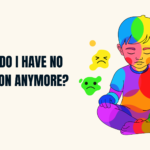
Why Do I Have No Emotion Anymore?
How Can I Become More Productive?